







Introduction to The rise of electric cars
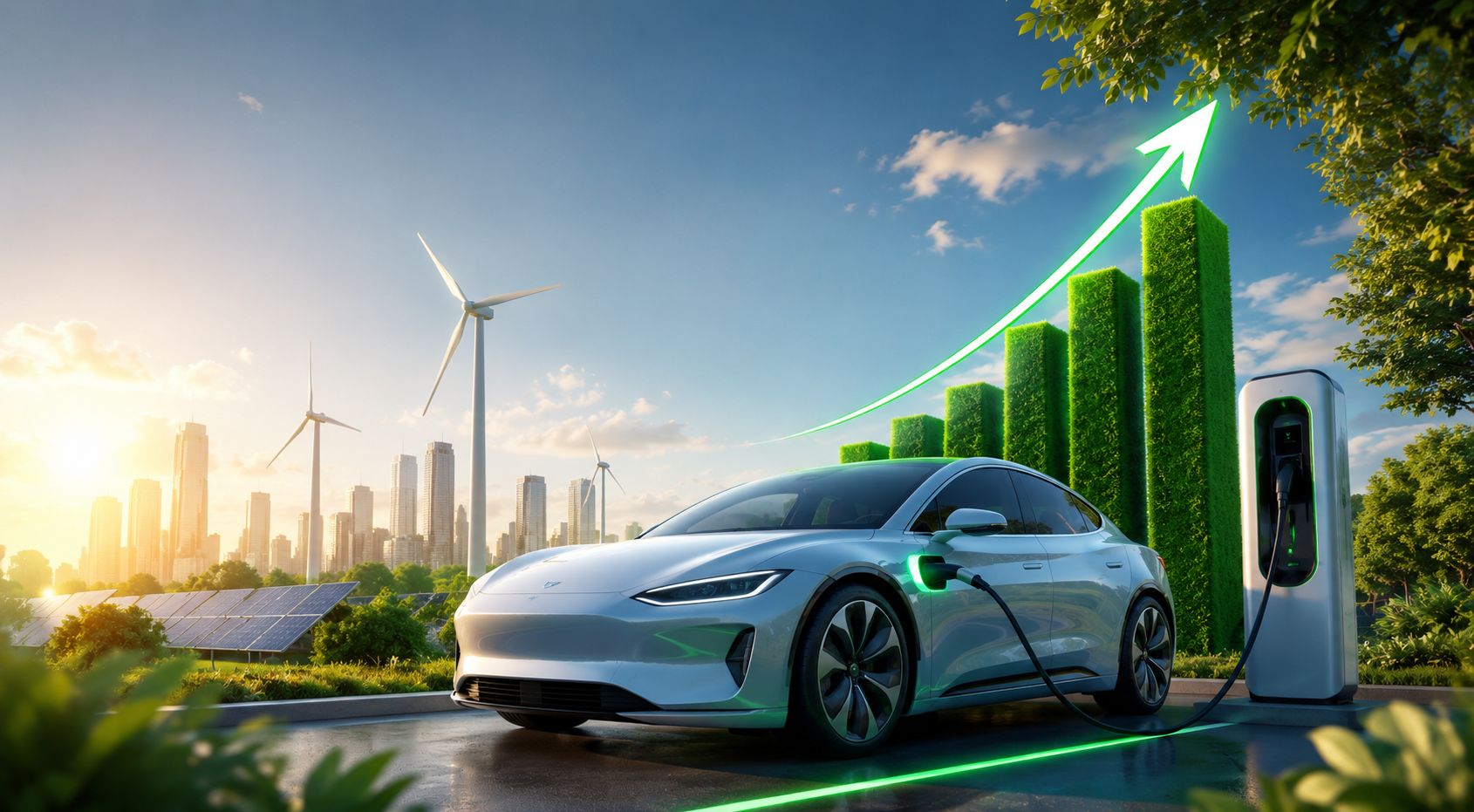
The rise of electric cars represents one of the most significant transformations in the modern transportation industry. Electric vehicles have become increasingly important due to advancements in battery technology, growing environmental awareness, and the global demand for cleaner transportation solutions. Over the past decade, electric cars have evolved from niche products into mainstream vehicles that are shaping the future of mobility.
Electric cars use electric motors powered by rechargeable batteries instead of traditional internal combustion engines that rely on gasoline or diesel fuel. This shift in transportation technology has created major changes in manufacturing, infrastructure development, environmental policy, and consumer behavior.
Within the field of Automotive Engineering, electric vehicles are considered a revolutionary advancement in transportation systems.
History and evolution of electric vehicles
The concept of electric vehicles is not entirely new. Early electric transportation experiments appeared during the nineteenth century, even before gasoline-powered vehicles became dominant. However, limited battery technology and infrastructure challenges slowed their development for many decades.
Modern advancements in battery efficiency and renewable energy systems have revived interest in electric transportation.
Within History of Technology, electric vehicles are viewed as part of the long evolution of transportation innovation.
Technological improvements have enabled their widespread adoption.
Environmental concerns and clean transportation
One of the primary reasons behind the rise of electric cars is growing concern about environmental sustainability. Traditional vehicles produce emissions that contribute to air pollution and climate change.
Electric vehicles reduce direct exhaust emissions and support cleaner urban environments.
Within Environmental Science, reducing carbon emissions is considered essential for environmental protection.
Electric transportation supports sustainability goals.
Battery technology and innovation
Battery technology is the foundation of modern electric vehicles. Improvements in battery capacity, charging speed, and durability have made electric cars more practical for everyday use.
Lithium-ion batteries are widely used because they provide high energy storage and efficiency.
Within Materials Science, battery innovation is a major focus of research and development.
Advanced batteries improve vehicle performance and range.
Economic impact of electric cars
The rise of electric vehicles has created major economic changes in manufacturing, employment, and energy industries. Automotive companies are investing heavily in electric vehicle production and infrastructure.
New industries related to batteries, charging stations, and renewable energy are also expanding rapidly.
Within Industrial Economics, technological transformation influences economic growth and competition.
Electric vehicles are reshaping global automotive markets.
Government policies and incentives
Governments around the world have introduced policies to encourage electric vehicle adoption. These may include tax incentives, subsidies, infrastructure funding, and environmental regulations.
Such policies aim to reduce pollution and accelerate the transition toward sustainable transportation.
Within Public Policy, transportation policy plays a key role in environmental and economic planning.
Government support has accelerated electric vehicle growth.
Charging infrastructure development
The expansion of charging infrastructure is essential for the success of electric vehicles. Public and private charging stations allow drivers to recharge batteries conveniently.
Improved charging networks increase consumer confidence and support long-distance travel.
Within Infrastructure Engineering, charging systems are critical components of transportation modernization.
Reliable infrastructure encourages widespread adoption.
Consumer acceptance and market growth
Consumer attitudes toward electric cars have changed significantly over time. Many buyers are now attracted to lower operating costs, environmental benefits, and technological features.
Increased awareness and improved vehicle performance have contributed to market growth.
Within Consumer Behavior, innovation and social trends strongly influence buying patterns.
Consumer confidence supports industry expansion.
Role of renewable energy in electric mobility
Electric vehicles are closely connected to renewable energy systems such as solar and wind power. Charging electric cars with renewable energy further reduces environmental impact.
This integration supports cleaner energy ecosystems.
Within Renewable Energy, electric transportation is part of broader efforts to reduce dependence on fossil fuels.
Sustainable energy improves environmental outcomes.
Technological advancements in electric vehicles
Modern electric cars include advanced technologies such as regenerative braking, intelligent navigation systems, autonomous driving features, and energy-efficient designs.
These innovations improve safety, efficiency, and convenience.
Within Artificial Intelligence, smart vehicle systems are transforming modern transportation.
Technology enhances driving experience and efficiency.
Challenges facing electric vehicle adoption
Despite rapid growth, electric vehicles still face challenges including charging accessibility, battery costs, and resource availability for battery production.
Range anxiety and infrastructure limitations also remain concerns in some regions.
Within Sustainability Studies, balancing technological growth with resource management is an important challenge.
Long-term solutions require continued innovation.
Manufacturing transformation in the automotive industry
The rise of electric cars has forced automotive manufacturers to redesign production systems and invest in new technologies.
Traditional engine manufacturing is gradually shifting toward battery and software-focused production.
Within Manufacturing Engineering, automation and innovation are central to modern vehicle production.
Industry transformation is changing workforce requirements.
Urban planning and electric transportation
Electric vehicles influence urban planning by reducing noise pollution and supporting cleaner transportation systems. Cities are adapting infrastructure to accommodate charging networks and sustainable mobility.
Electric mobility contributes to healthier urban environments.
Within Urban Planning, sustainable transportation is an important goal for future cities.
Transportation systems shape urban quality of life.
Global competition in electric vehicle markets
Countries and automotive companies are competing to lead the electric vehicle industry. Investments in technology, manufacturing, and infrastructure are increasing worldwide.
Competition drives innovation and market expansion.
Within International Business, technological leadership influences economic power and trade dynamics.
Electric vehicles have become a strategic global industry.
Social and cultural influence of electric cars
Electric vehicles have also influenced social perceptions of technology and environmental responsibility. Owning an electric car is often associated with innovation and sustainability.
Public attitudes toward mobility are evolving alongside technological change.
Within Sociology, transportation systems influence lifestyle patterns and cultural values.
Electric mobility reflects changing social priorities.
Future of electric transportation
The future of electric cars is expected to include longer battery ranges, faster charging systems, autonomous driving integration, and greater affordability.
Continuous innovation will likely make electric vehicles more accessible to global populations.
Within Future Studies, electric mobility is considered a major component of future transportation systems.
Technological progress will continue shaping the industry.
Conclusion
The rise of electric cars represents a transformative shift in transportation, technology, and environmental strategy. Within the framework of Automotive Engineering, electric vehicles combine innovation, sustainability, and advanced engineering to redefine modern mobility.
As technology advances and infrastructure expands, electric cars are expected to play an increasingly important role in creating cleaner, more efficient, and more sustainable transportation systems around the world.