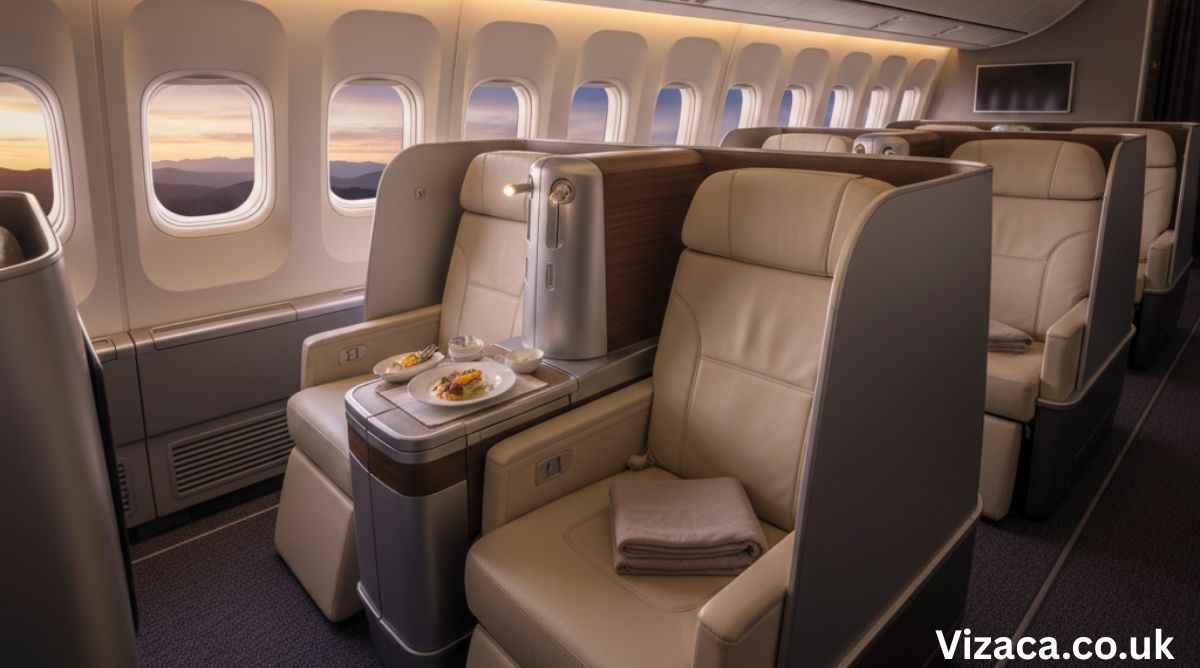





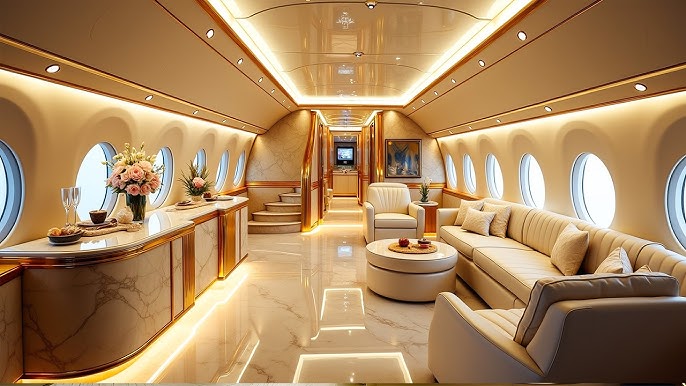
When you step into a well-designed private jet, you shouldn’t be thinking about features. You should feel your shoulders drop and your breathing slow. That reaction starts with aircraft seats. Not just the leather or the stitch pattern, but how the seat holds your hips on a climb, supports your lower back at cruise, and lets you swivel to talk without twisting your neck. In the best cabins, the seat is the anchor point for everything else you do on board: work, eat, sleep, and chat without ever fighting the space.
Design starts with intent.
The smartest refits begin with a simple conversation: what do you actually do in this aircraft? Day trips with two colleagues? Overnight hops where you need a real sleep? Family weekends where storage matters more than a conference table?
Once you’re honest about the mission, the interior makes itself. A four-place club with two divans feels generous until you try to serve a quiet dinner and realize the table is fighting your knees. A seat that looks bold and artsy on the ground might be tiring after three hours if the cushion is too springy. And open space is amazing for your kids to run around, but where will you put your files and laptops when the cross-country meeting rolls around?
A good private jet is one that’s multipurpose, of course. But at some level, it does come down to your personal priorities for its usage and the design that fits that well.
Materials you’ll live with, not just look at.
Jet cabins get hard use. You need surfaces that age gracefully, hide scuffs, and clean easily, all without sliding into that sterile “executive rental” vibe.
Soft-touch sidewalls that don’t squeak when you lean. Tabletops that don’t reflect bright points into tired eyes. Leather that reads warm rather than shiny and doesn’t overheat under direct sun. None of these shouts “look at me,” but together they read as care. Owners notice six months later when the cabin still looks fresh without constant babying.
Acoustics begin underfoot!
Mid-cabin noise is a mix of vibration, footsteps, and trolley rattles. Half of fixing that is below your eyeline. This is where the choice of underlay and surface really matters, which is why I always push buyers to think about plane carpets early.
A denser pad may settle the hum, and a low-sheen weave stops the aisle from turning into a light strip. Darker tones calm night flights; warmer tones keep morning sectors feeling human rather than making you feel like you’re in a hospital.
You can literally hear the difference when a cabin is carpeted to absorb rather than amplify. It’s the background that lets conversation stay soft and sleep come easier.
Light that follows your day.
Lighting should be a rhythm. Private jets are used for many things, and different activities call for different lights. When you’re working or eating, you’ll want more cool and clean light.
But you don’t want that when it’s time to put your eye mask on and catch some sleep. Or just relax, really. You need some warmer, lower light here.
And good cabins let you do that without a three-tap puzzle. A discreet scene button by the armrest beats a wall of anonymous icons every time.
Quiet tech, visible benefits.
Technology in a private jet works best when it disappears. You need wireless charging where your hand naturally rests, not buried under a flip-panel that you’ll spend 15 minutes just trying to locate or reach.
And good ventilation also means no noise. A good system should move air without drafts, because a whistling eyeball vent ruins a quiet cabin faster than any engine note.
Wi-Fi and controls should be simple enough that a first-time visitor can pair and play without having to ask anyone. Ultimately, luxury is not cleverness on display. It’s actually not about any sort of display at all! It’s all about the quiet ease of little things.
Good, comfortable design can be sustainable!
Who says comfort has to be expensive for you and the environment?
Sure, a private jet doesn’t exactly scream budget-friendly, but it’s also not as expensive to maintain as people make it out to be. You don’t need to invest in state-of-the-art cushioning to support your back if you’re only using the jet for an hour or two at a time at best. Lighter foams and smarter structures reduce weight without turning seats into ironing boards.
And you certainly don’t need to bring in carpet and seating cover upgrades every year. You can bring in more durable and repairable textiles that keep cabins fresher for longer, rather than cycling through wasteful refits that don’t do much for you besides drain your wallet.
You see, good luxury private jet interiors are not about how grand they look. They’re about how a space makes you feel, how reliably it works, and how well it stands up to the life you actually lead in the air. When designers prioritize your pleasure, and when owners are clear about the use, the interior becomes an ally on every journey. You step on board, breathe out, and know you’ll arrive as yourself.