








The association between the two practices of physiotherapy and sports medicine has become more complex and sophisticated with the passage of time, with the former benefiting from the strengths of both practical clinical expertise and the continued accumulation of scientific evidence. Individuals who need expert attention and care, whether it is from the best orthopedic surgeon in Dubai or a physiotherapy expert, now have access to treatment modalities that prioritize precision and long-term results rather than quick and temporary solutions.
This is an extensive reflection of a more complete and comprehensive understanding of the body’s response to moments of stress, injury, and the rehabilitation process—one that guides you through customizing your care routines.
Let’s take a look at a few key insights shaping what’s next for this industry in 2026 and beyond:
1. Movement is the new diagnosis
We’re no longer just treating injuries. How you move, sit, train, and recover is becoming the real indicator of health.
2. Recovery is becoming proactive, not reactive
Physiotherapy is shifting from fixing pain to preventing it. The focus is now on keeping the body ready, not just repairing it after damage.
3. One body, one system
The idea of isolated treatment is fading. Every injury is now understood as part of a bigger chain of movement, habits, and lifestyle.
4. Data is shaping the human body
Wearables, motion tracking, and performance data are helping therapists understand the body with more precision than ever before.
5. Performance is for everyone now
Sports medicine is no longer just for athletes. Everyday people are training, moving, and recovering like professionals.
The Crossover Between Physiotherapy and Sports Care
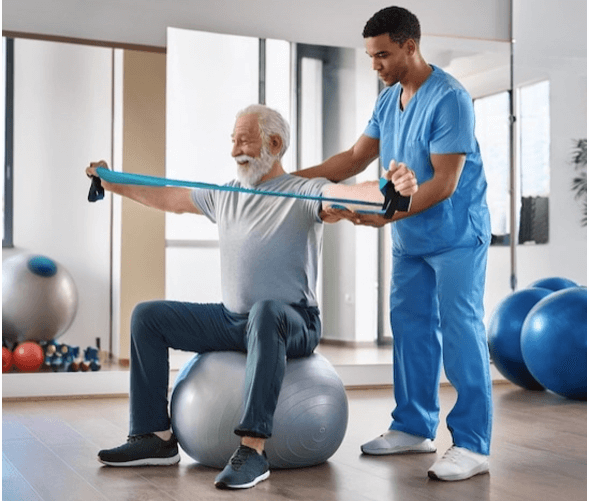
Physiotherapy and sports medicine have ceased to be standalone practices and now intersect and overlap with each other in the entire gamut of care that includes diagnosis, treatment, and the promotion of performance. The former focuses on the restoration of full movement and functional ability of the patient with the help of exercise programs and education, whereas the latter adds the dimensions of injury prevention and the monitoring of performance to the former’s scope of care.
Evidence Behind Sports Massage
It is a well-known fact that sports massage is linked with the process of recovery and the relaxation of muscles from tension and stress. However, the clinical importance of sports massage is not well understood by many.
While it is absolutely not the case that sports massage is going to make you excellent at your sport—that only comes with steady practice and training. Thus, making sure your physiotherapy is intentionally planned out prevents any interruption to your fitness or injury recovery.
The Growing Role of Recovery Strategies
These processes are now accepted as a system that is integrated and structured into physical health rather than an afterthought. This is why the best sports massage services in Dubai today incorporate this into a comprehensive treatment plan that allows the body to adapt effectively to the needs and pressures of physical activity.
This is the area in which the best sports massage dubai with its futuristic practice and client-customized approach today, can help even the most skeptical of athletes. Although it is not possible for massage alone to bring about the process of rehabilitation, it can actually help with the process of physical health when combined with physical exercise therapy. This is particularly the case with regard to the management of muscle tightness and comfort after exercise.
Movement, Not Just Muscles
One of the key ideas that underpins contemporary approaches to physiotherapy is the move from the traditional focus on muscles and towards the importance of movement in the body. The fact is that injuries do not tend to result from the weakness of a single muscle group. Instead, they tend to result from the imbalance that exists with regard to the movement of the body as a whole.
Timing and Intervention
In relation to treatment, timing is one of the key issues that arise, and it is evident that early treatment is likely to have a more positive outcome. For instance, massage treatment soon after intense physical exercises is likely to reduce soreness and assist in recovery, though this is likely to vary from one individual to another and depend on the circumstances (NCBI). Similarly, early physiotherapy sessions soon after an injury are likely to reduce the risk of further complications such as stiffer or weaker muscles.
On the other hand, delayed treatment is likely to increase recovery time and, in turn, increase the risk of acquiring a chronic condition.
The Power of Personalised Care
Just like no athlete is like another athlete, treatment for injury, therapy, and sports medicine cannot be a one-size-fits-all package. Modern physiotherapy focuses on personalized programs that take into account a person’s objectives, fitness level, and medical history so that the treatment targets the root of the problem rather than just the symptoms.
Personalized care also includes customizing a plan derived from both passive and active treatment—sole reliance on muscle therapy to treat other more complicated issues might not be the way to go.
Making Informed Decisions—The Ultimate Step
Once you are clear that physiotherapy and sports medicine are not a replacement for the treatment of injury or a method of training, you must work with your physician and physiotherapist to figure out what works for you. And if you are based in the UAE, access to the best physiotherapy clinic in dubai allows you to take advantage of established rehabilitation programs and treatment strategies that really work.
As physiotherapy and sports medicine continue to improve in tandem with the rest of the healthcare system in its move towards evidence-based practice, people become more informed about what each treatment has to offer. This allows them to make more informed decisions about their health and lifestyle and pursue a more active lifestyle with confidence.