




Modern cars rely heavily on electronic systems that monitor safety and performance. One of the most essential of these systems is the tire-pressure monitoring system (TPMS). It keeps track of your tire pressure in real time and alerts you if any tire becomes under-inflated or over-inflated, which can affect safety, fuel economy, and tire life.
However, when the tire pressure light won’t turn off even after inflating the tires properly, it could mean that one or more tire sensors have failed. This brings us to a common question among vehicle owners — how much is a tire sensor replacement?
This detailed guide covers everything you need to know about tire pressure sensors — what they do, how they work, when to replace them, and how much you can expect to pay for parts and labor.
What Is a Tire Sensor?
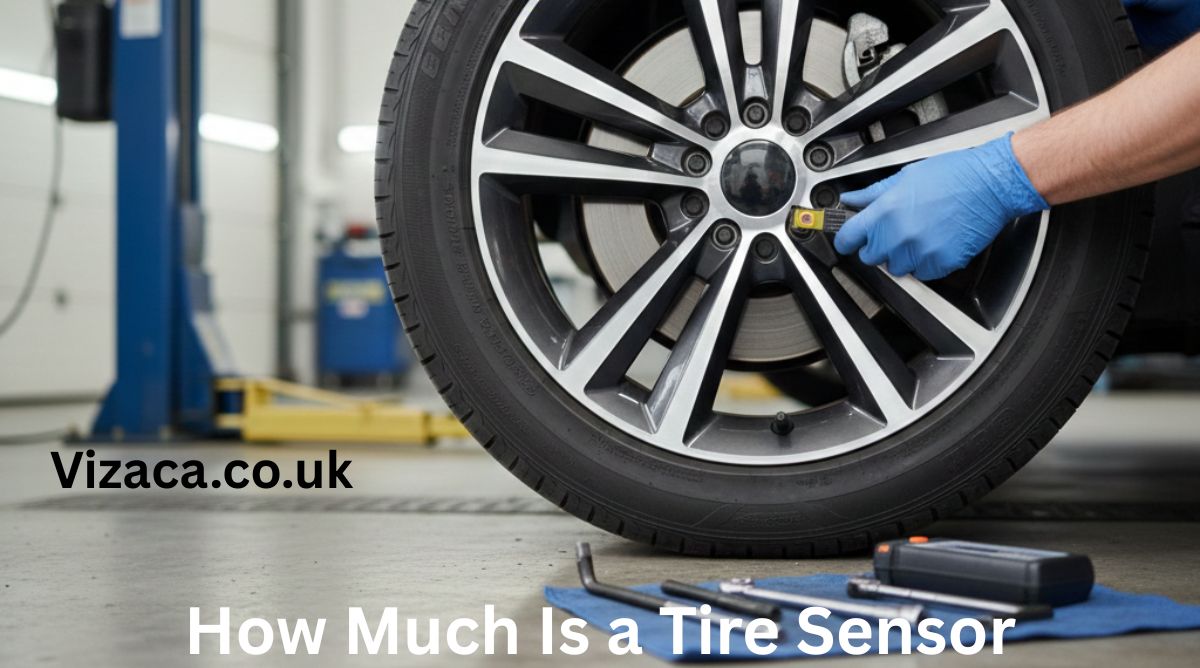
A tire sensor is part of the Tire-pressure monitoring system (TPMS) found in most modern vehicles. Its job is to measure the air pressure inside each tire and send that data to the vehicle’s onboard computer.
If the pressure drops below the manufacturer’s recommended level, the system triggers a warning light on your dashboard — the yellow tire icon that looks like a horseshoe with an exclamation mark in the middle.
There are two main types of TPMS systems:
- Direct TPMS:
Each wheel has a pressure sensor installed inside the tire (usually attached to the valve stem). These sensors measure the actual air pressure and transmit it wirelessly to the car’s computer. - Indirect TPMS:
This system uses the vehicle’s ABS wheel-speed sensors to estimate pressure differences based on tire rotation speeds. Indirect systems don’t use physical tire sensors, so replacement costs are much lower.
Most modern vehicles — especially those sold after 2008 — use direct TPMS sensors.
Why Tire Sensors Are Important
Tire sensors are not just a convenience feature — they are a vital safety component. Proper tire pressure improves:
- Fuel efficiency by reducing rolling resistance
- Handling and stability by ensuring even tire contact with the road
- Tire lifespan by minimizing uneven wear
- Braking performance and safety
An under-inflated tire can overheat and blow out, while an over-inflated tire can reduce traction. TPMS sensors help drivers avoid both scenarios, preventing accidents and expensive tire damage.
How Long Do Tire Sensors Last?
Tire sensors typically last 5 to 10 years or 60,000 to 100,000 miles, depending on the brand, driving conditions, and environmental exposure.
Each sensor contains a small built-in lithium battery that powers the transmitter. Once the battery dies, the entire sensor must be replaced, as the batteries are non-serviceable.
Frequent temperature changes, rough roads, or exposure to moisture can shorten sensor life.
Signs your tire sensors need replacement include:
- The TPMS warning light stays on constantly.
- The tire pressure reading is inaccurate or missing.
- The TPMS system cannot reset after a tire rotation or replacement.
- The sensors fail to transmit data after a long drive.
How Much Does a Tire Sensor Replacement Cost?
The cost of replacing a tire sensor varies depending on your car’s make, model, and the type of sensor used. Generally, you can expect to pay between $50 and $250 per sensor, including parts and labor.
Here’s a breakdown of what influences the total cost:
1. Type of Vehicle
Luxury and imported cars often require OEM (original equipment manufacturer) sensors, which are more expensive.
- Economy cars: $50–$100 per sensor
- Mid-range sedans/SUVs: $80–$150 per sensor
- Luxury vehicles: $150–$250 per sensor
2. Type of Sensor
- OEM sensors: Original parts from your car manufacturer, typically the most accurate and durable.
- Aftermarket sensors: Cheaper alternatives that are often compatible but may need programming or re-learning to work properly.
3. Labor Costs
Labor costs depend on the shop and region but generally range from $20 to $60 per wheel. Some tire shops include programming in this fee, while others charge extra.
4. Programming or Re-learning Fee
After installing a new sensor, the system must be reprogrammed to recognize it. This service can cost $10–$50 depending on your car and the tool used.
Average Tire Sensor Replacement Cost Table
| Vehicle Type | Parts (per sensor) | Labor | Total (per tire) |
|---|---|---|---|
| Compact / Economy | $40–$70 | $20–$40 | $60–$110 |
| Sedan / Crossover | $60–$100 | $30–$50 | $90–$150 |
| SUV / Truck | $80–$130 | $40–$60 | $120–$190 |
| Luxury / High-end | $120–$200 | $50–$80 | $170–$280 |
If you replace all four sensors at once, the total can range from $240 to $800, depending on the car type and where you get the service done.
Should You Replace All Tire Sensors at Once?
You don’t have to replace all sensors simultaneously unless they’re all near the end of their lifespan.
Replace a single sensor if:
- The TPMS warning light identifies only one faulty tire.
- The others are still transmitting accurate readings.
Replace all sensors together if:
- Your vehicle is older than 7–10 years.
- Multiple sensors are already malfunctioning.
- You’re buying new tires or wheels — it’s more convenient to replace sensors during that process.
Replacing them all at once can save on labor costs, as the tires must be removed each time.
DIY vs Professional Replacement
1. DIY Replacement
If you’re an experienced DIYer with a tire mounting machine and TPMS tools, you can replace tire sensors yourself. Sensors are often available online for $30–$80 each.
However, the job requires:
- Tire removal tools
- Torque wrench
- TPMS programming tool or OBD-II scanner
You’ll also need to reset the TPMS system using the vehicle’s onboard menu or a diagnostic tool.
2. Professional Replacement
Most people choose professional service because tire sensors are located inside the tire and require proper mounting and programming.
Professional shops:
- Use specialized TPMS scan tools
- Avoid damaging the sensor during installation
- Guarantee proper system calibration
While you pay more, professional service ensures safety and accuracy.
How Long Does Tire Sensor Replacement Take?
The process is quick — typically 30 to 60 minutes for one or two sensors and up to 90 minutes if all four are replaced.
Steps include:
- Removing the tire from the wheel.
- Detaching the old sensor.
- Installing and torquing the new one.
- Re-mounting and balancing the tire.
- Programming or re-learning the TPMS.
If you’re already replacing tires or getting them rotated, adding sensor replacement will only extend the job slightly.
How to Save Money on Tire Sensor Replacement
Here are some effective tips to reduce your tire sensor replacement cost:
- Buy sensors online. You can often find high-quality aftermarket options for less than dealership prices.
- Check for lifetime service packages. Some tire chains offer free TPMS checks or discounted replacements with tire purchases.
- Replace during tire changes. You’ll save labor costs since the tires are already removed.
- Avoid unnecessary replacements. Always confirm the sensor is faulty using a diagnostic scan before buying new ones.
- Use universal TPMS sensors. Some brands make universal programmable sensors compatible with multiple car models, reducing cost and complexity.
Are Aftermarket Sensors Reliable?
Aftermarket sensors from reputable brands like Schrader, VDO, or Denso are generally reliable and much cheaper than OEM ones.
The main difference lies in how they communicate with your vehicle’s system. Some aftermarket sensors require manual programming or “cloning” to mimic your old sensor’s ID.
If installed and configured correctly, they work just as well and last nearly as long as OEM versions.
What Happens If You Don’t Replace a Bad Tire Sensor?
Ignoring a bad tire sensor may not immediately affect how your car drives, but it eliminates your tire pressure warning system — a critical safety feature.
Here’s what could happen:
- You may unknowingly drive with low tire pressure.
- Your tires could wear unevenly or fail prematurely.
- Fuel efficiency drops by up to 10%.
- You risk reduced braking performance.
Driving without a functioning TPMS is also illegal in some regions, especially if your car originally came with the system.
Preventive Maintenance Tips for Tire Sensors
You can extend the life of your TPMS sensors and avoid unnecessary replacements by following these tips:
- Check tire pressure monthly. Keeping tires properly inflated reduces sensor strain.
- Avoid harsh chemicals when cleaning wheels — they can damage sensors and seals.
- Replace valve-stem caps to keep moisture and debris out.
- Don’t over-tighten valve stems. Too much torque can crack sensor housings.
- Inspect sensors during tire rotation or balancing to catch early damage.
Regular maintenance ensures both tire and sensor longevity.
Final Thoughts
Understanding how much a tire sensor replacement costs helps you plan better for regular car maintenance and avoid surprises at the repair shop.
In summary:
- Expect to pay $50 to $250 per sensor, depending on the car and brand.
- Replace sensors roughly every 5 to 10 years or when the TPMS warning light stays on.
- Consider replacing all sensors together if your vehicle is aging or you’re installing new tires.
- Always ensure the new sensors are properly programmed and tested before driving.
Though it may seem like a small component, a functioning tire sensor contributes greatly to your vehicle’s safety, efficiency, and performance. By staying proactive, you’ll not only save money but also ensure a smoother, safer driving experience every day.