




Space. Steel. Systems. And the subtle ballet of movement. Enter any warehouse, distribution center, or construction site, and it’s immediately apparent—movement. Loads lift. Pallets move. Engines roar. Paths cross.
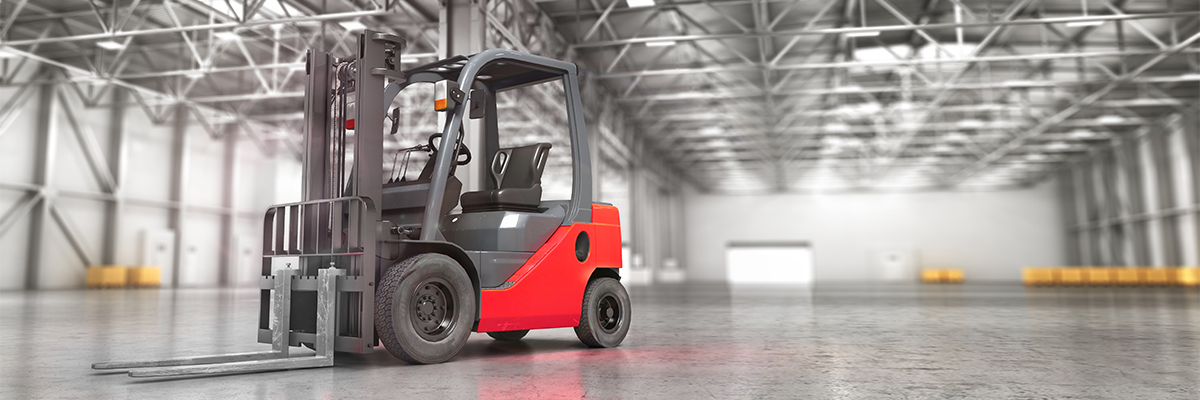
At the heart of this ballet are Diesel forklifts, which are not only machines but also space solvers. They don’t simply lift; they determine how space is allocated, how storage is organized, and how logistics flow. Forklifts and trolleys are more than simple transportation equipment; they are quite literally flow architects. Learn their role in logistics, and you learn how to conquer logistics.
The Geometry of Space
Logistics is not about lifting capacity. It’s about space management in high-pressure situations. Every square meter counts. Every aisle width, every racking height, and every turning radius affects speed, safety, and storage capacity.
Forklifts set the geometry, and a typical counterbalance forklift requires broader aisles. That means fewer racks, and fewer racks mean less vertical storage. Less vertical storage means more floor usage, and more floor usage means higher operating costs.
So the first actual question in any facility isn’t “How much do our loads weigh?” It should ideally be “How much space do we need to allocate to movement?”
Vertical Thinking Pays Off
The best operations are thought of vertically. High-density storage racks turn warehouses from flat areas into vertical environments. But vertical growth is pointless without equipment that can safely elevate loads.
Diesel-powered forklifts, for example, are an instrumental asset in partly outdoor settings for their capacity to navigate rugged and uneven surfaces. Their power and stability enable increased stacking without sacrificing ground integrity.
But raising higher is only half the story. You must also focus on these particulars:
- Provide clear load identification
- Accurately align the rack
- Plan weight distribution
- Ensure pallet consistency
Flow As a Design Decision
Logistics problems never result from hard work; they usually result from design. Flow must therefore be purposeful, not random. When forklifts intersect too often or turn around too often, resistance builds. To prevent this, your flow design should take into account:
- Dock placement
- Fast-moving versus slow-moving products
- Pedestrian paths
- Buffer zones for peak periods
The best return on investment you can possibly get is by ensuring flexible racking, modular areas, and variable load paths. Forklifts must be dynamic too, which is why equipment selection is so important. A piece of equipment designed for long-distance outdoor transport may not be suited for tight indoor routes. On the other hand, very compact lift trucks may not perform well in high-yard environments.
Midpoint Reality Check: Equipment Creates Efficiency
About halfway through any logistics analysis, one thing becomes abundantly clear material handling equipment sets the tempo of the workplace. If equipment lacks adequate lifting capacity, products will be broken down and reassembled.
Equipment selection affects:
- Storage capacity
- Production hours
- Accident records
- Labor allocation
It also impacts morale—operators who trust their equipment trust their abilities. Trusting operators leads to confident movement, which eliminates delay and potentially saves you thousands of bucks in personal injury claims.
The Hidden Cost of Poor Maneuverability
Each additional meter needed for turns translates to lost storage space. Aisles that are too wide mean fewer rack positions. Fewer rack positions mean more floor space used. More floor space used translates to higher rent and heating bills.
Narrow-aisle systems require skilled operators and careful forklift choices. But here’s the catch: if aisles are narrowed without retraining operators, the risk of collision increases.
Lifting Is About Balance, Not Strength
The principles of lifting are more important than horsepower. Load center calculations are used to determine stability. Overreaching contributes to the danger of tipping. Uneven pallets affect the security of the stack.
Storage planning must consider:
- Standard pallet size
- Standardized load wrapping
- Balanced weight distribution
The Unsung Hero at Ground Level
When the skyline is aglow with the light of forklifts, the ground below often holds a simpler truth: logistics that move in small, deliberate increments. Enter the pallet trolley—a humble, vital participant in short-range movements across the floor, in adjustments to staging, and in the smallest movements in tight spaces. It operates on no fuel, requires little maintenance, and is ready to roll at all times. But its success depends on the floor:
- Smooth floor
- Clear path
- Correct centering of loads
- Strong wheels
Used properly, it reduces the workload of forklifts and keeps fuel consumption lean. Used improperly, it clogs the works. Small tools, big systems.
The Logistics Ecosystem
Forklifts and trolleys are not solo travelers; they are part of a larger landscape of space, storage, and timing. Effective logistics depends on:
- Awareness of space
- Fleet synchronization
- Maintenance routine
- Storage smarts
Whether it’s heavy-duty lifting in open yards or the subtle push of a pallet trolley, every movement helps define the efficiency of the system. Logistics is architecture in motion. When space, storage, and lifting come together, movement ceases to be drudgery and transforms into cost-saving design.