


Heat exchangers are everywhere today. You see them in homes. You see them in factories. They are used in power plants. They even work inside vehicles. Their task is very clear. They move heat from one place to another. Fluids never mix. This keeps systems running better. It also helps save energy.
Knowing how heat exchangers work makes choices easier. People can pick the right system for heating. Cooling becomes simpler too.
What is a heat exchanger?
A heat exchanger is a simple device. It transfers heat between two fluids. These fluids can be liquid. They can also be gas. They stay apart at all times. Heat moves through a solid surface between them.
Common uses of heat exchangers
- Heating water in homes
- Cooling engines in machines
- Running air conditioning systems
- Supporting industrial processes
- Helping power generation
They keep temperatures under control. They do this in a safe way. Efficiency also improves.
Why heat exchangers are important today
Energy prices keep going up. Systems now need to work using less power. Results still need to stay strong. Heat exchangers solve this problem well.
Many industries depend on the advantages of a heat exchanger. They help reduce wasted heat. Fuel use goes down. Equipment also lasts longer.
Main advantages of a heat exchanger
1. Saves energy
Heat exchangers reuse heat that would be lost. This cuts the need for extra heating. Cooling demand also drops.
- Lower energy bills
- Reduced fuel use
- Improved system output
2. Improves system efficiency
Stable temperatures keep systems calm. Machines stay within safe limits. Overheating becomes rare. Overcooling also stops.
- Better performance
- Fewer system failures
- Longer working life
3. Reduces operating costs
Lower energy use means lower expenses. Maintenance work becomes less frequent. Repairs are needed less often.
Cost savings come from
- Reduced power demand
- Fewer repair jobs
- Less downtime during work
4. Supports safe operation
Heat exchangers manage heat levels well. This helps prevent damage. Unsafe conditions are avoided.
- Stop overheating issues
- Protect valuable equipment
- Keep working levels safe
5. Works in many industries
Heat exchangers fit many systems. They adapt easily to different setups.
Industries that rely on them include
- Manufacturing units
- HVAC systems
- Chemical plants
- Food processing facilities
- Oil and gas operations
Types of heat exchangers
Different systems need different designs. Some setups are large. Others need compact solutions. These are common types used today.
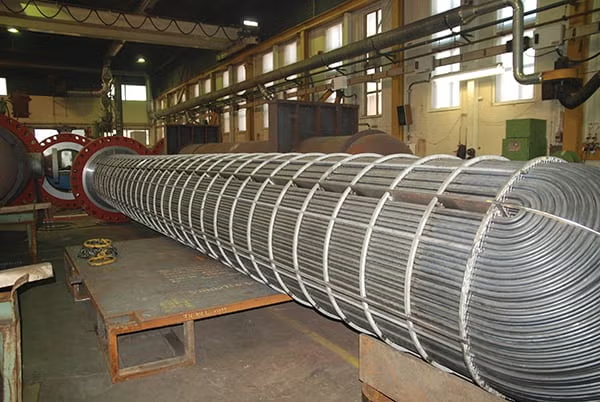
Shell and tube heat exchanger
Used in large scale systems
Known for strength
Simple to maintain
Plate heat exchanger
- Small and compact
- Fast heat transfer
- Ideal for tight spaces
Air cooled heat exchanger
- Uses air for cooling
- Saves water
- Works well in dry regions
Comparison table heat exchanger benefits
| Feature | With heat exchanger | Without heat exchanger |
| Energy Use | Low | High |
| System Life | Longer | Shorter |
| Cost Control | Better | Weak |
| Heat Waste | Very Low | High |
| Safety Level | Stable | Risky |
How heat exchangers help the environment
Heat exchangers reduce fuel use. This leads to fewer emissions. Energy waste also drops.
They help by
- Lowering carbon output
- Reducing wasted energy
- Supporting cleaner systems
This makes them useful for green projects.
Choosing the right heat exchanger
Some points matter before choosing one. Each system has its own needs.
Things to check include
- Type of fluid in use
- Required temperature range
- Space limits
- Maintenance requirements
The right choice brings smoother results. Problems also stay low.
Conclusion
The advantages of a heat exchanger are clear. They save energy. Costs go down. Safety improves. Systems last longer. Homes benefit from them. Large industries rely on them too.
Using a heat exchanger makes sense today. It supports efficiency. It helps control costs. It fits modern systems well.